What Home Improvements Help Sell a House Faster?
Selling a home is rarely just about putting a sign in the yard and waiting for an offer.
Before buyers walk through the front door, they’re already forming an opinion from the listing photos, exterior appearance, condition, layout, and overall presentation. Once they’re inside, dated finishes, worn flooring, an old kitchen, or a bathroom that needs work can quickly become negotiating points.
So, what home improvements help sell a house faster?
The answer isn’t always a major renovation.
Sometimes the smartest improvements are relatively simple: fresh paint, an updated front door, better curb appeal, repairs that have been put off, or a kitchen refresh that makes the home feel clean and move-in ready.
For homeowners in Seattle and the Eastside, the right improvements can be particularly important because buyers are often comparing older homes with remodeled properties. The goal isn’t necessarily to make the house the most luxurious home on the block. It’s to make it feel well-maintained, functional, inviting, and ready for its next owner.
The Best Home Improvements Before Selling
If you’re preparing to sell, consider these areas first:
- Curb appeal and the front entrance
- Interior painting
- Kitchen updates
- Bathroom remodeling
- Flooring
- Lighting
- Windows and energy-efficiency improvements
- Roofing and exterior repairs
- Basement or attic conversions
- Storage and closet improvements
- General repairs and maintenance
But before choosing a project, consider two questions:
What does the house actually need?
And:
What will buyers in your neighborhood expect?
Those questions can be more valuable than simply choosing the most expensive renovation you can afford.

1. Start With Curb Appeal
The exterior is the first part of the home buyers experience.
A house doesn’t need an elaborate landscape design to make a good impression. It should simply look cared for.
Consider:
- Cleaning the exterior
- Refreshing landscaping
- Trimming overgrown plants
- Improving the walkway
- Updating exterior lighting
- Repainting or refreshing the front door
- Repairing damaged siding
- Cleaning decks and patios
- Replacing worn exterior hardware
The National Association of REALTORS® has consistently emphasized the importance of curb appeal. In its Remodeling Impact Report: Outdoor Features, 92% of REALTORS® said they had suggested sellers improve curb appeal before listing, while 97% considered curb appeal important to attracting buyers.
The Front Door Can Make a Surprisingly Big Difference
If your front door is worn, replacing it may be worth considering before a large-scale renovation.
The 2025 NAR/NARI Remodeling Impact Report estimated 100% cost recovery for a new steel front door and approximately 80% for a new fiberglass front door. These are industry estimates, not guarantees for an individual property.
The practical takeaway is simple: you don’t always have to spend tens of thousands of dollars to improve the first impression of a home.
2. Paint Can Make an Older Home Feel Newer
If you’re asking, “What should I remodel before selling my house?”, don’t overlook paint.
Fresh paint can make rooms feel:
- Cleaner
- Brighter
- More spacious
- Better maintained
- More neutral
- Easier for buyers to imagine as their own
You don’t necessarily need to repaint every room.
Focus on areas where the walls are visibly worn, heavily personalized, or noticeably dated.
For sellers, neutral and cohesive colors are often easier for prospective buyers to work with than highly specific colors or dramatic design choices.
According to NAR’s 2025 Remodeling Impact Report, REALTORS® most commonly recommended painting the entire home or a single interior room among projects sellers should consider before listing.
3. Consider a Kitchen Remodel—But Choose the Right Scope
The kitchen is one of the rooms buyers pay close attention to.
That doesn’t mean every seller needs a $100,000 luxury kitchen renovation.
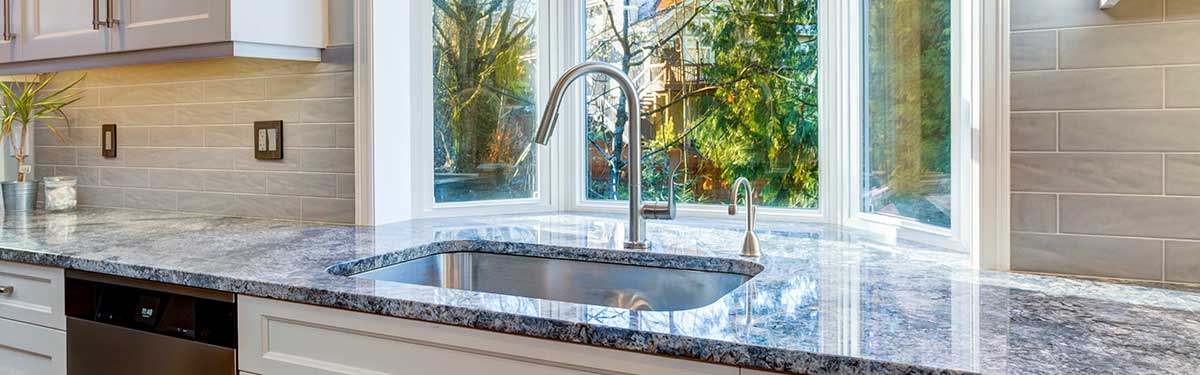
In many homes, a kitchen refresh can make more sense than a complete gut remodel.
Depending on the condition of the kitchen, improvements could include:
- Repainting or replacing cabinet fronts
- New cabinet hardware
- New countertops
- Updated backsplash
- Modern lighting
- New sink and faucet
- Updated appliances
- Improved storage
- New flooring
- Better kitchen island design
If the existing layout works well, keeping it may help control the scope and budget.
If the kitchen is outdated, poorly laid out, or lacks sufficient storage, a more substantial kitchen renovation may be justified.

The 2025 NAR/NARI report estimated 60% cost recovery for both a complete kitchen renovation and a minor kitchen upgrade. The same report found that kitchen upgrades were among the projects REALTORS® had observed increasing in demand.
The lesson isn’t that every kitchen remodel will return 60%.
Rather, it shows that kitchen improvements can be relevant to both buyer appeal and resale considerations.
4. Update an Outdated Bathroom
Bathrooms are another area where buyers notice the condition of a home quickly.
A bathroom doesn’t necessarily need to become a luxury spa before selling.
Depending on its condition, consider:
- Replacing an outdated vanity
- Updating countertops
- Installing modern lighting
- Replacing worn flooring
- Updating shower tile
- Replacing an old tub or shower
- Updating plumbing fixtures
- Improving ventilation
- Replacing damaged finishes
- Adding practical storage
If the bathroom has obvious water damage, deteriorated materials, or outdated fixtures, addressing those issues may be more important than adding expensive decorative features.
For a home with a severely outdated bathroom, a professional bathroom remodel in Seattle can help bring the space closer to the expectations of today’s buyers.
The 2025 Remodeling Impact Report estimated 50% cost recovery for a bathroom renovation and 56% for a bathroom addition. Again, these are national estimates and shouldn’t be treated as a guaranteed return for a Seattle property.
5. Replace Worn Flooring
Flooring can affect the way an entire house feels.
Scratched hardwood, stained carpet, damaged vinyl, or mismatched flooring can make a home appear less maintained than it actually is.
Depending on the property, options may include:
- Refinishing existing hardwood
- Installing new hardwood
- Luxury vinyl plank
- Engineered wood
- New carpet in appropriate areas
- Tile in bathrooms and other suitable spaces
The best choice depends on the existing home, neighborhood, budget, and condition of the current flooring.
A consistent flooring strategy can also help rooms feel more connected, particularly in an open-concept home.
6. Improve the Lighting
Good lighting is one of the easiest ways to change how a home feels.
Dark rooms can feel smaller and less inviting. Poorly positioned fixtures can also make an otherwise attractive renovation look flat.
Consider a combination of:
Ambient lighting
Provides overall illumination.
Task lighting
Useful in kitchens, bathrooms, offices, and work areas.
Accent lighting
Highlights architectural features, cabinetry, artwork, or other details.
You may not need to completely rewire the house. Sometimes updating fixtures and improving bulbs can make a noticeable difference.
In a kitchen remodel, for example, adding under-cabinet lighting and properly positioned pendant lights over an island can improve both appearance and functionality.
7. Don’t Ignore the Roof
A beautiful kitchen won’t matter much if buyers are worried about the roof.
If the roof is near the end of its service life or has visible problems, address it before putting the house on the market—or at least understand its condition and be prepared to disclose it appropriately.
A roof replacement can be a significant investment, but it can also remove a major concern from a buyer’s inspection and negotiation process.
NAR’s 2025 research identified new roofing as one of the projects REALTORS® most frequently recommended to sellers, and roofing also received one of the highest homeowner satisfaction scores in the report.
Before replacing a roof solely for resale, however, have its condition evaluated. If it still has substantial useful life, a complete replacement may not be necessary.
8. Upgrade Windows When They Need It
Old or damaged windows can affect a home’s appearance, comfort, and energy performance.
Replacing windows can make sense when:
- Windows are damaged
- They are difficult to operate
- There are obvious drafts
- Condensation indicates a problem
- Frames are deteriorated
- The windows look significantly dated
The 2025 NAR/NARI report estimated 74% cost recovery for new vinyl windows and 71% for new wood windows.
Again, those figures are estimates rather than guarantees. Window replacement should generally be considered in the context of the home’s condition and local buyer expectations.
9. Convert Unused Space Into Living Space
If your home has unfinished or underused space, converting it may create an opportunity to improve functionality.
Potential projects include:
- Basement conversion
- Attic conversion
- Garage conversion
- Home office
- Guest suite
- Additional bedroom
- Recreation room
- ADU
The 2025 NAR/NARI report estimated 71% cost recovery for a basement conversion to living area and 67% for an attic conversion.
For Seattle homeowners, these projects require careful planning because permits, building codes, ceiling height, egress, structural conditions, plumbing, electrical systems, and other factors can affect feasibility.
Seattle requires a construction permit for many remodels and additions, and projects involving changes such as structural work, building-envelope changes, or changes to egress, light, ventilation, or fire resistance can trigger permitting requirements.
If you’re considering a basement conversion or garage-to-ADU project, determine feasibility before investing in design and construction.
10. Add or Improve Storage
Storage is easy to overlook when planning a renovation.
But buyers notice when a home has nowhere to put everyday belongings.
Potential improvements include:
- Walk-in closet organization
- Pantry storage
- Built-in cabinets
- Laundry storage
- Mudroom cabinetry
- Bedroom closets
- Bathroom storage
- Garage organization
Interestingly, NAR’s 2025 Remodeling Impact Report estimated 83% cost recovery for a closet renovation, placing it near the top of the report’s estimated resale-cost-recovery list.
Good storage doesn’t have to be flashy. It simply needs to be useful.
11. Fix the Problems Buyers Will Notice
Before investing in a major renovation, walk through your house as if you were seeing it for the first time.
Look for:
- Leaking faucets
- Damaged drywall
- Loose railings
- Cracked tiles
- Broken doors
- Worn flooring
- Peeling paint
- Water stains
- Poor lighting
- Damaged siding
- Old caulking
- Non-functioning fixtures
- Visible electrical or plumbing issues
These aren’t necessarily glamorous projects, but they can influence a buyer’s perception of how well the home has been maintained.
Sometimes fixing what is wrong makes more sense than adding something new.
Should You Remodel Before Selling Your House?
This is where homeowners need to be careful.
A renovation isn’t automatically a good investment just because it makes the house nicer.
The right question is:
Will this improvement solve a problem buyers are likely to notice?
For example, replacing a damaged roof may be more practical than installing an expensive designer kitchen.
Likewise, repainting a tired interior may make more sense than completely redesigning a perfectly functional bathroom.
The 2025 NAR Remodeling Impact Report illustrates this difference clearly: some of the projects associated with the greatest homeowner satisfaction weren’t the same projects that produced the highest estimated cost recovery at resale.
In other words, the renovation you enjoy most isn’t necessarily the renovation that produces the strongest resale economics.
How Much Should You Spend Before Selling?
There isn’t one percentage or dollar amount that works for every home.
Your budget should take into account:
- Current home value
- Neighborhood
- Comparable properties
- Condition of the house
- Buyer expectations
- Length of time you plan to stay
- Available renovation budget
- Existing defects
- Cost of the proposed project
- Expected impact on marketability
Talk with a real estate professional about comparable homes in your area before committing to a major project.
A contractor can help determine what the renovation itself will cost, while a local real estate professional can provide market-specific insight into what buyers are responding to.
Should You Do a Full Home Remodel Before Selling?
Usually, you don’t need to remodel everything.
A full home renovation may make sense when the property has multiple outdated or deteriorated areas and the improvements are consistent with the neighborhood.
But if the kitchen is in good condition, the bathrooms are functional, and the major systems are sound, remodeling everything simply because you’re selling may not make financial sense.
Instead, prioritize the areas that are most likely to affect the buyer’s first impression and the home’s perceived condition.
A simple strategy is:
First: Fix Problems
Address leaks, roof issues, damaged flooring, electrical concerns, water damage, and other obvious defects.
Second: Improve Appearance
Consider paint, flooring, lighting, curb appeal, and the front entrance.
Third: Improve Function
Look at kitchens, bathrooms, storage, and underused spaces.
Fourth: Consider Major Remodeling
Only after the fundamentals are addressed should you consider a larger renovation.
What About a Kitchen Remodel in Seattle Before Selling?
Seattle has a wide range of homes, from older Craftsman properties to mid-century houses and newer construction.
That means a kitchen renovation should fit the home.
For an older Seattle home, a thoughtful remodel might preserve architectural character while improving:
- Storage
- Cabinet layout
- Lighting
- Appliances
- Counter space
- Electrical systems
- Flooring
- Overall functionality
A modern kitchen doesn’t have to look completely disconnected from the rest of the house.
The goal should be to create a kitchen that feels updated without looking unnecessarily overdesigned.
What About Bathroom Remodeling in Seattle?
The same principle applies to bathrooms.
A dated bathroom with worn tile, an old vanity, poor lighting, and limited storage can make an otherwise well-maintained house feel older.
A well-planned Seattle bathroom remodel can focus on practical improvements such as:
- Modern vanity
- Updated shower
- New tile
- Improved lighting
- Better storage
- New fixtures
- Fresh flooring
- Updated ventilation
If the bathroom already functions well, a cosmetic renovation may be enough.

What Home Improvements Help a House Sell Faster?
There is no remodeling project that guarantees a faster sale.
Market conditions, pricing, location, buyer demand, mortgage rates, competition, property condition, and marketing all influence how quickly a home sells.
However, improvements that make a property feel clean, maintained, functional, updated, and move-in ready can help it compete more effectively with other homes on the market.
Based on the latest NAR/NARI research, sellers should pay particular attention to:
- Painting
- Roof condition
- Kitchen updates
- Bathroom improvements
- Curb appeal
- Front door
- Windows
- Storage
- Converting unused space into living area
The key is prioritization—not simply spending more.
A Simple Pre-Sale Remodeling Checklist
Before listing your Seattle home, consider this checklist:
Exterior
🗹 Front door looks fresh and inviting
🗹 Landscaping is maintained
🗹 Exterior surfaces are clean
🗹 Deck or patio is in good condition
🗹 Exterior lighting works
🗹 Roof condition has been evaluated
Interior
🗹 Walls are clean and freshly painted where needed
🗹 Flooring is in good condition
🗹 Lighting is adequate
🗹 Doors and hardware work properly
🗹 Visible repairs have been completed
Kitchen
🗹 Cabinets are in good condition
🗹 Countertops are clean and presentable
🗹 Appliances are functional
🗹 Lighting is adequate
🗹 Storage is practical
Bathrooms
🗹 Fixtures work properly
🗹 No visible water damage
🗹 Caulking and grout are in good condition
🗹 Lighting is adequate
🗹 Vanity and storage are functional
Before Listing
🗹 Review comparable homes
🗹 Discuss priorities with a real estate professional
🗹 Get contractor estimates
🗹 Establish a realistic renovation budget
🗹 Complete high-priority repairs first
Final Thoughts: Remodel for the Buyer, Not Just for Yourself
If you’re planning to sell your home, it’s tempting to think that the biggest renovation will produce the biggest result.
That’s not always the case.
A successful pre-sale remodeling strategy is usually about making smart improvements where they matter most.
Fresh paint can help. A welcoming entrance can help. A functional kitchen can help. A clean, updated bathroom can help. A sound roof can help. Better storage can help.
But the most important thing is understanding your particular property and your local market.
Before spending $100,000 on a renovation, find out whether your home actually needs $100,000 worth of work.
And before choosing a contractor, get detailed estimates and compare the scope of work. NAR recommends homeowners interview multiple remodeling contractors, gather bids, and research the companies before hiring.
Preparing to Sell Your Seattle Home?
At Levite Construction Co., we help Seattle-area homeowners improve, remodel, and transform their homes with a design-build approach.
Our services include kitchen remodeling, bathroom remodeling, whole-home renovations, room additions, ADUs, garage conversions, basement conversions, roofing, siding, patios, custom homes, and interior design. The company is licensed, bonded, and insured and serves homeowners across Seattle and surrounding areas.
Whether your goal is to make a few strategic improvements before listing or complete a larger home renovation, our team can help you evaluate the scope and develop a practical plan.
From the initial consultation and measurements through design, permitting, construction, and final finishes, Levite Construction provides a full-service remodeling process.
If you’re searching for a Seattle general contractor, Seattle home remodeling company, or trusted contractor for a pre-sale renovation, Levite Construction Co. is ready to discuss your project.
Schedule a FREE in-house consultation.
📞 425-998-8958
🌐 Levite Construction Co.
Serving Seattle, Bellevue, Redmond, Sammamish, Kirkland, Issaquah, and surrounding Eastside communities.
Resale impact varies by property, neighborhood, market conditions, project quality, and buyer preferences. Cost-recovery figures cited in this article are national estimates from the 2025 NAR/NARI Remodeling Impact Report and are not guarantees of resale value or selling speed.